Do You Need a Permit to Remodel a House in Seattle, Bellevue, or Tacoma?
If your remodel moves walls, adds square footage, or changes plumbing, wiring, gas lines, or structural components, you may need a permit in Seattle, Bellevue, or Tacoma. Cosmetic updates, such as painting, replacing flooring, or installing cabinets in the same location, may be exempt. Requirements depend on the project's scope and local regulations.
This guide explains which remodeling projects commonly require permits, where to apply, how long approvals may take, and why planning ahead can help you avoid unnecessary delays and expenses.
Which Home Remodeling Projects Usually Need a Permit?
Homeowners should check permit requirements before beginning work that changes a building's structure, safety systems, exterior openings, or living space.
Common examples include:
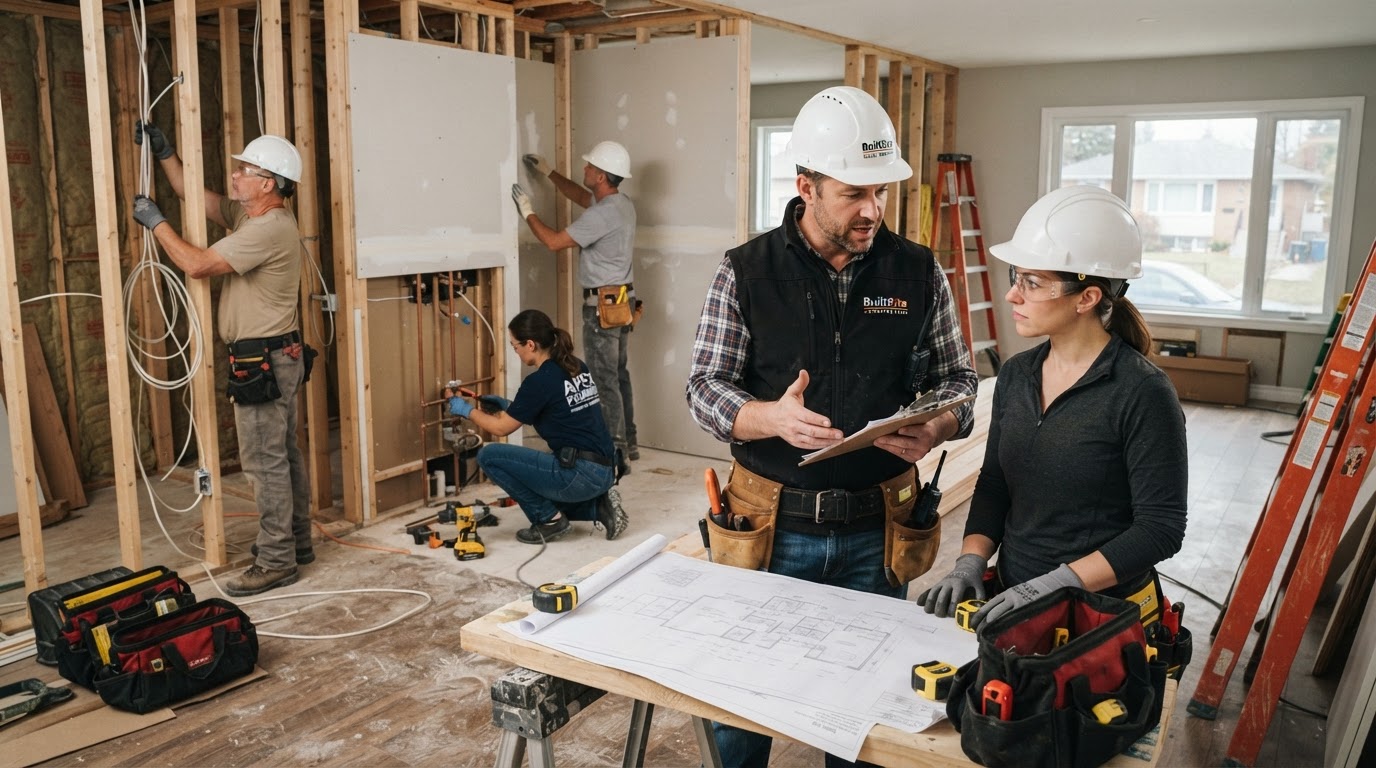
Removing or moving walls: Structural modifications and certain interior layout changes may require a building permit.
Building a home addition: Expanding the footprint or adding a second story generally requires approval.
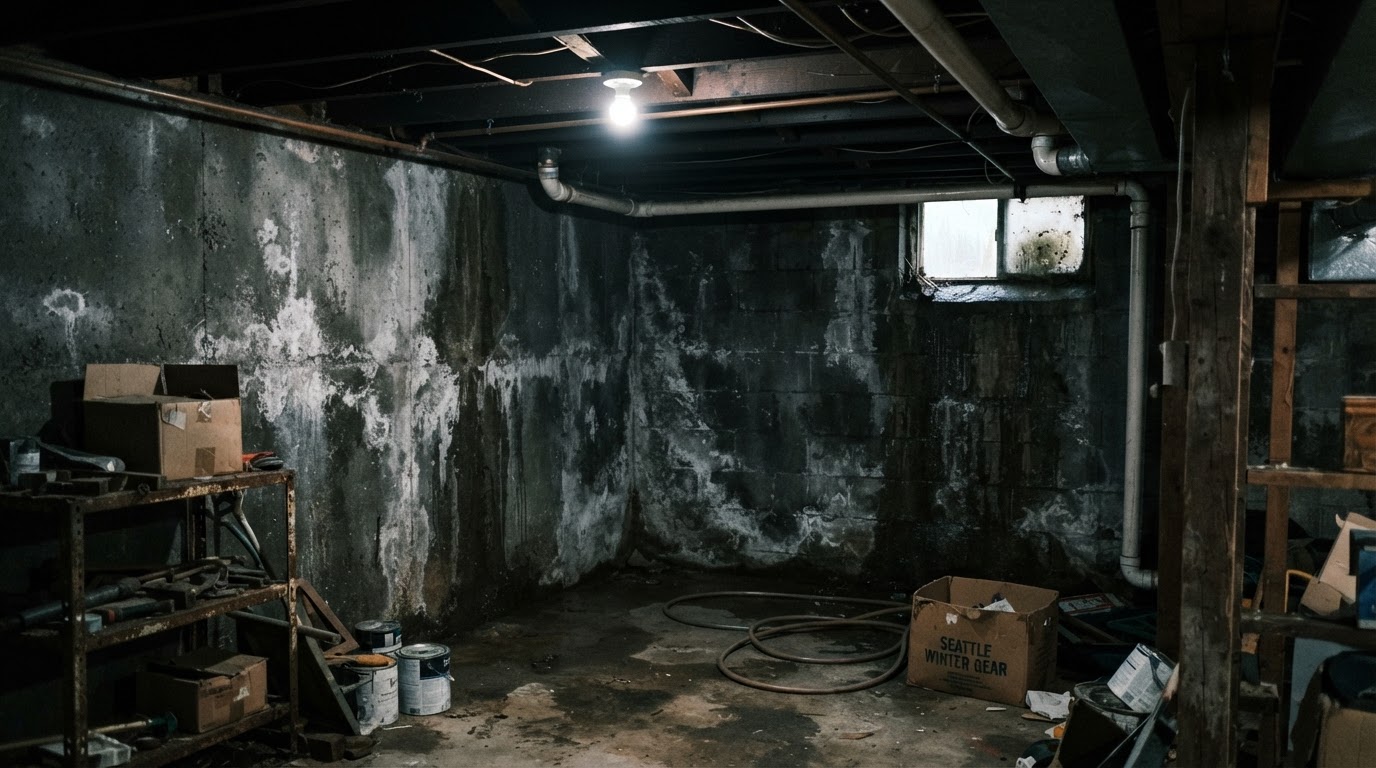
Finishing a basement: Converting unfinished space into living areas may require multiple permits.
Relocating plumbing: Moving sinks, toilets, showers, or drains can trigger plumbing permit requirements.
Modifying electrical systems: Panel upgrades and new circuits generally require permits.
Changing exterior openings: Enlarging or relocating windows and doors may require approval.
Replacing heating equipment: Furnace, heat pump, and water heater installations may require mechanical, plumbing, or electrical permits.
Building decks and retaining walls: Requirements depend on height, location, and local rules.
Which Remodeling Projects May Not Need a Permit?
Some routine maintenance and cosmetic upgrades may be exempt from building permit requirements, provided they meet local rules and do not involve other regulated work.
Examples may include:
Interior painting and wallpaper installation
Replacing flooring or carpeting
Installing cabinets without changing regulated systems
Replacing windows of the same size and in the same location, where exempt
Replacing roofing or siding without structural modifications, where permitted
Building certain small fences or accessory structures within applicable limits
Seattle, Bellevue, and Tacoma have different permitting requirements. A project that does not need a building permit may still require an electrical, plumbing, or mechanical permit.
Always confirm the complete scope of work with your local building department before construction begins.
Where Do You Apply for Remodeling Permits?
Seattle
The Seattle Department of Construction and Inspections (SDCI) handles many residential building permits, including additions and alterations. Some electrical, plumbing, and gas piping work may involve separate permitting authorities.
Visit the .
Bellevue
Bellevue Development Services manages residential building permits and provides guidance on electrical, mechanical, and plumbing requirements.
Visit Bellevue Development Services.
Tacoma
Tacoma Planning and Development Services handles residential permits for additions, alterations, and other regulated construction work.
Visit the Tacoma residential permits page.
Other Greater Seattle Communities
Homeowners in Kirkland, Redmond, Renton, Shoreline, and nearby communities should contact their own local permitting departments. Requirements can vary based on zoning, environmental restrictions, and the type of renovation.
What Happens If You Remodel Without the Required Permit?
Skipping a required permit can create problems during construction and when you eventually sell your home.
Potential consequences include:
Stop-work orders: Construction may need to stop until approvals are obtained.
Additional expenses: Permit fees, penalties, and corrective work can increase costs.
Opening finished walls: Inspectors may need access to concealed wiring, plumbing, or framing.
Problems during a home sale: Unpermitted additions or converted living spaces may raise concerns during inspections.
Safety risks: Improper structural supports, faulty wiring, and inadequate fire protection can create serious hazards.
Permits and inspections help verify compliance with applicable building and safety codes.
How Long Does the Remodeling Permit Process Take?
Permit timelines depend on project complexity, application completeness, city review workloads, and additional approvals.
Minor work eligible for simplified approval may be processed relatively quickly. Interior renovation requiring plan review may take several weeks or longer. Home addition or structural remodel may require extended review. Basement conversion or accessory dwelling unit may involve several permits. Work in environmentally sensitive areas may require additional approvals.
These are general expectations, not guaranteed processing times. Check current estimates with your local permitting office.
To reduce delays, discuss permits during the design and estimating stage. Allow time for drawings, application review, revisions, permit issuance, and inspections.
Should Your Contractor Handle the Permit Application?
Homeowners may be able to apply for certain permits themselves, depending on local requirements. An experienced contractor can help coordinate the process and make sure permit requirements are considered before construction starts.
Your contractor may help with:
Identifying permits that may apply
Coordinating floor plans and construction drawings
Preparing application documents
Communicating with the permitting department
Scheduling inspections
Addressing corrections or documentation requests
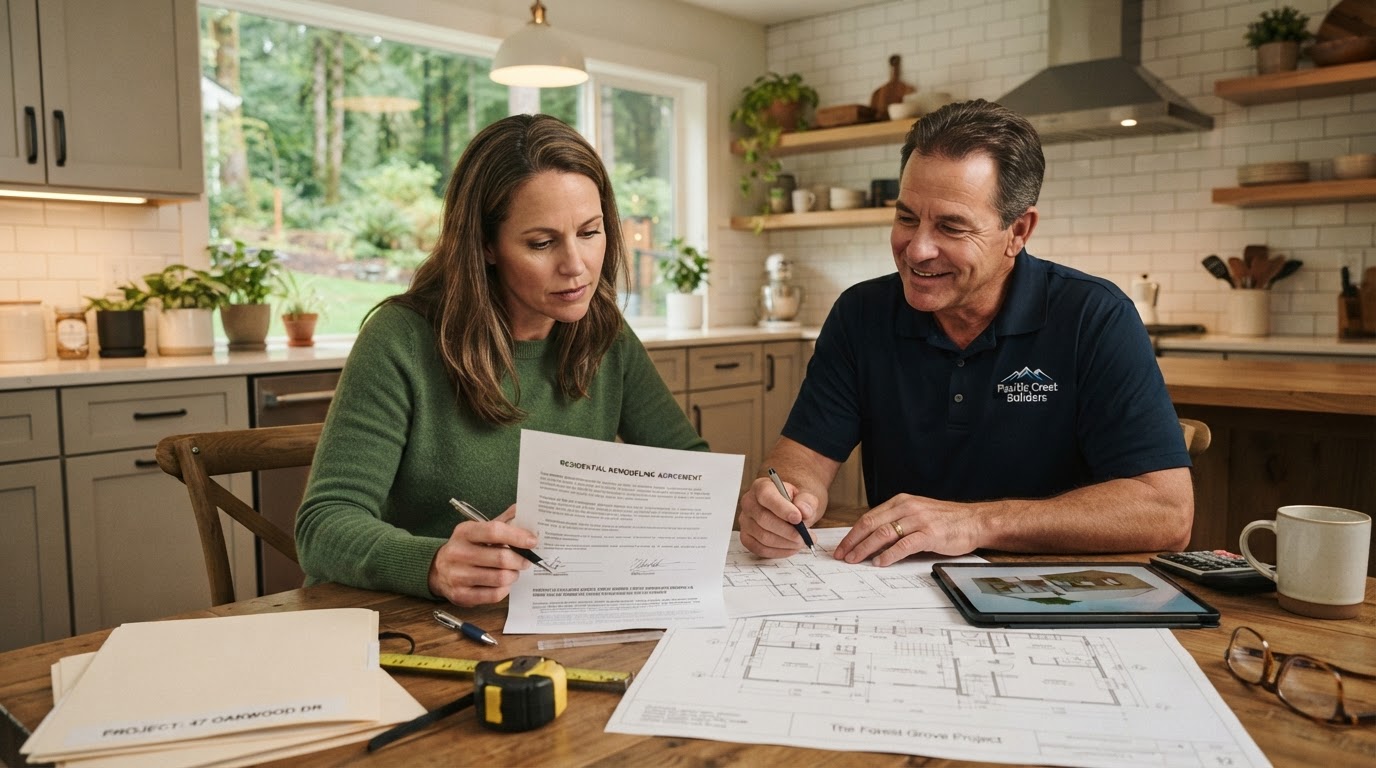
Before signing a construction agreement, clarify who will prepare applications, pay permit fees, arrange inspections, and respond to city review comments.
How Alliance Pro Services Helps With Remodeling Projects
Planning a renovation involves more than choosing materials and setting a construction budget. Understanding local requirements early can help homeowners make informed decisions about project scope, scheduling, and costs.
Alliance Pro Services supports residential construction and remodeling projects throughout Seattle, Bellevue, Tacoma, and the surrounding Greater Seattle Area.
Its general contracting services can help coordinate construction. Homeowners planning larger renovations can also inquire about Building Design Support for floor plans and construction drawings.
This preparation can be particularly valuable for basement remodeling, home additions, and interior structural repairs, where design decisions and permit requirements can influence the construction sequence.
Planning a home renovation in Seattle, Bellevue, or Tacoma? Contact Alliance Pro Services to discuss your project goals, construction requirements, and next steps.
If you are still comparing contractors, read our related guide on how to choose a general contractor before making your decision.
Frequently Asked Questions
Do I need a permit to remodel a bathroom in Seattle?
Cosmetic work may be exempt, but moving plumbing, adding electrical circuits, changing structural elements, or converting space can trigger permit requirements.
Do I need a permit to replace my roof in Seattle?
Some roof replacements are exempt when no structural changes are involved. Confirm the requirements with SDCI before work begins.
Can a homeowner pull their own remodeling permit in Seattle?
Homeowners may apply for eligible permits, subject to the city's requirements. A contractor can also help coordinate applications and inspections.
What if I bought a house with unpermitted remodeling work?
Contact your local building department before altering the work or assuming it can be approved retroactively. Inspections, documentation, or corrective work may be required.
Do I need a permit to replace kitchen cabinets?
Replacing cabinets in the same general location may be exempt. Plumbing relocations, electrical changes, or structural alterations can require separate approvals.
Do permits increase remodeling costs?
Permits can add application fees, design expenses, inspection coordination, and time to the project. Include these costs in your initial budget.
When should I apply for a remodeling permit?
Check requirements during the planning and design stage, before demolition or construction begins. This allows time to prepare drawings, submit applications, address review comments, and coordinate the construction schedule.