Mold is common in Seattle homes because our climate gives it exactly what it wants: months of rain, mild temperatures and indoor air that stays humid while windows stay shut. Small patches of bathroom mildew are a cleaning job. Mold that keeps coming back, smells musty, or covers more than about 10 square feet is a sign of a moisture problem that needs a professional.
The trick is knowing which one you're dealing with.
Where mold shows up in Seattle-area homes
From Shoreline to Tacoma, the same spots come up again and again:
Bathrooms with weak or missing exhaust fans
Window frames and sills where condensation pools every winter morning
Attics, especially with blocked soffit vents or bathroom fans venting into the attic instead of outside
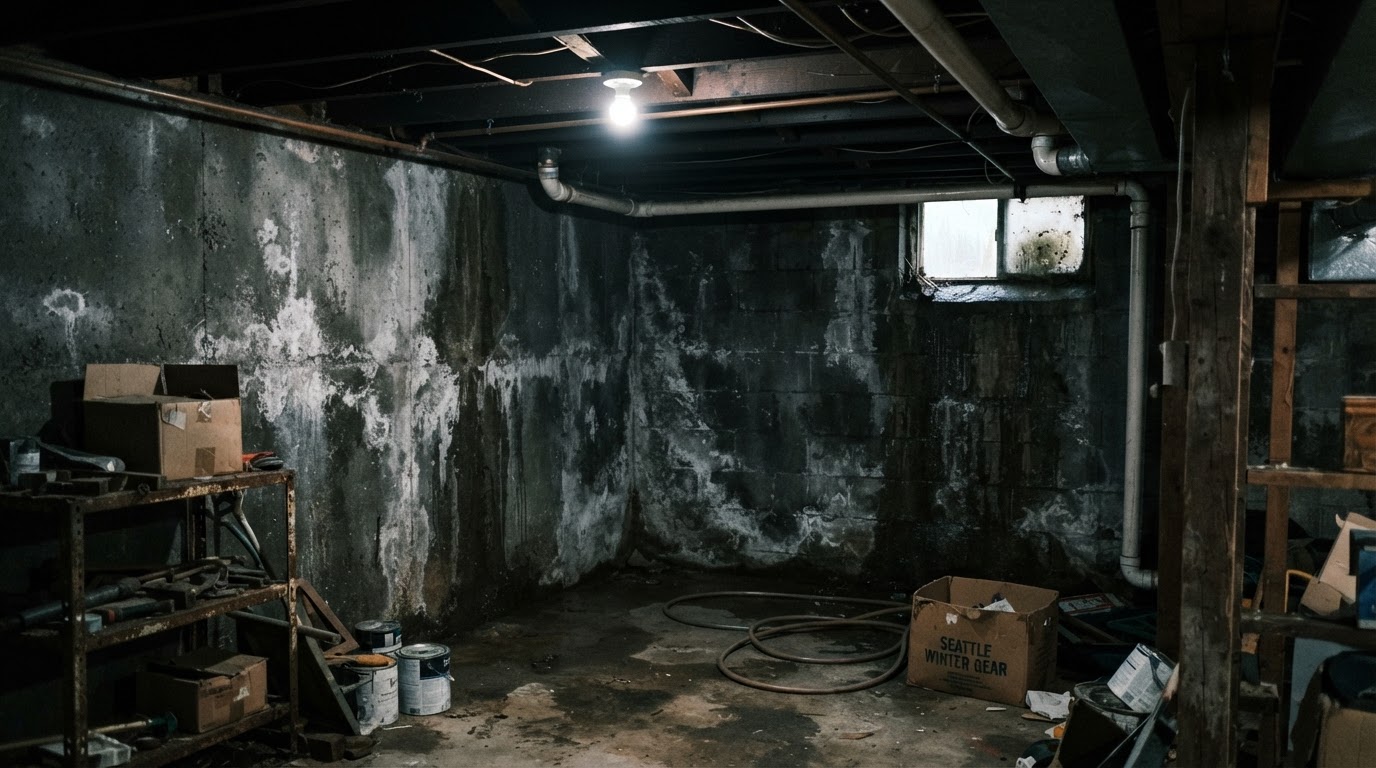
Crawl spaces and basements with poor drainage or no vapor barrier
Behind washing machines and under sinks where slow leaks go unnoticed
Closets on exterior walls, where cold surfaces and poor airflow meet
Warning signs to watch for
Not all mold is visible. Pay attention to:
A musty, earthy smell that's stronger in one room or after rain
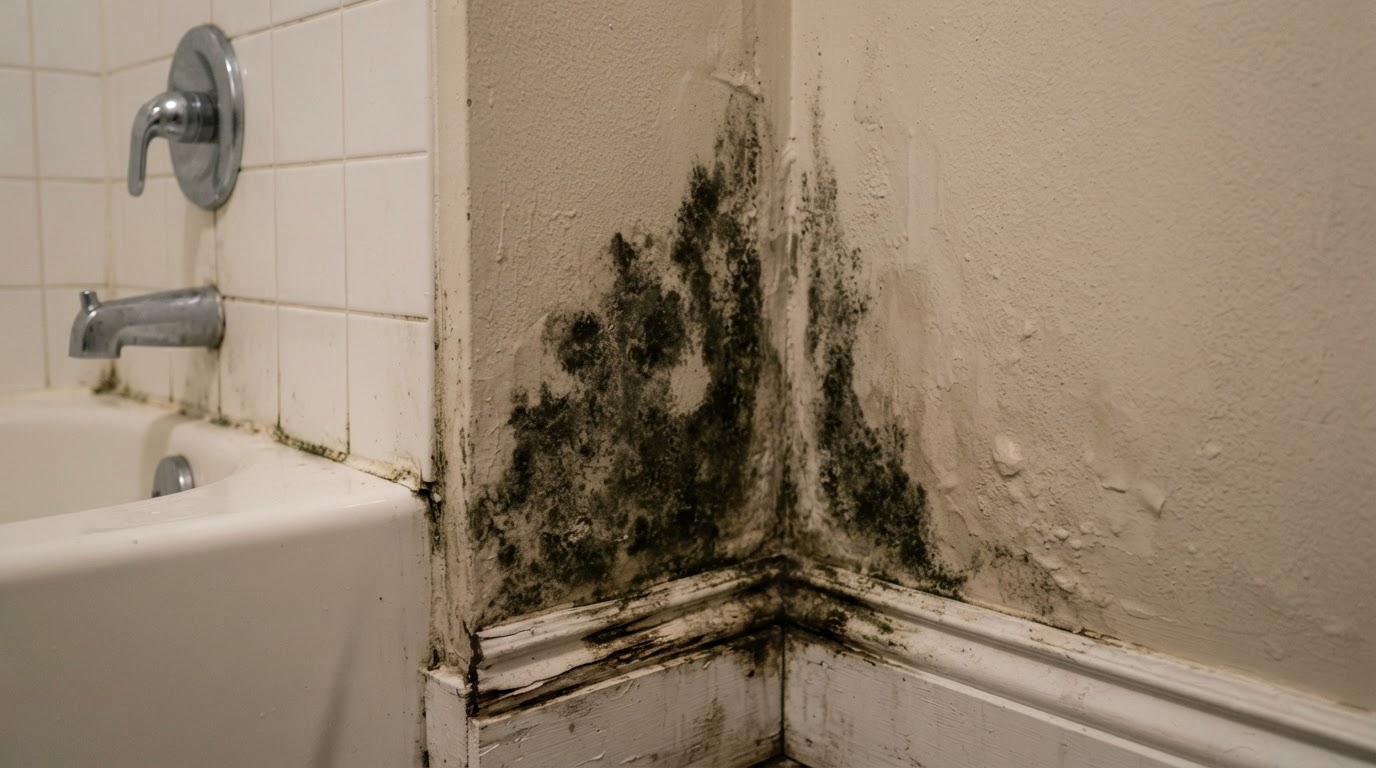
Black, green or white spots that return after cleaning
Warped, stained or bubbling paint and drywall
Persistent condensation on windows
Allergy-like symptoms at home that ease up when you're away
That last one matters. If anyone in the house has asthma or a weakened immune system, don't wait on a mold concern.
What causes it
Mold needs moisture. Remove the moisture and the mold can't grow. The usual culprits are roof leaks, plumbing leaks, poor ventilation, groundwater in the crawl space, and indoor humidity that sits above 60 percent for weeks at a time. Water damage that isn't dried within 24 to 48 hours is a common starting point.
That's why remediation without fixing the source rarely lasts. A leaking roof needs roofing work. A slow drip behind a wall needs plumbing. A stuffy bathroom needs a properly vented fan.
What you can handle yourself
Small areas of surface mildew on hard surfaces, like tile grout, a shower caulk line or a window sill, are usually a DIY job:
Wear gloves, eye protection and an N95 mask.
Scrub with detergent and water, then dry the surface completely.
Replace caulk that's stained through, since mold in the caulk itself won't scrub out.
Fix the moisture source, even if that just means running the bath fan for 20 minutes after every shower.
Don't sand, scrape or dry-brush moldy materials. That spreads spores through the house.
When to call a professional
Call a pro when:
The affected area is larger than about 10 square feet
Mold is inside walls, ceilings, ductwork or the attic
It followed a flood, sewage backup or fire suppression
It keeps coming back after cleaning
Porous materials like drywall, insulation or carpet are affected
Professional remediation means containing the area, filtering the air, removing damaged materials, treating what stays, and drying everything properly before rebuilding. Our mold and mildew services handle inspection, containment and removal for homes and businesses across Greater Seattle. When water or smoke damage is behind it, our fire and restoration services team takes care of the rebuild.
Keep it from coming back
A few habits make a big difference in a Pacific Northwest home. Run bath and kitchen fans every time. Keep indoor humidity between 30 and 50 percent with a dehumidifier in basements. Clean gutters before the fall rains. Make sure dryer and bath fans vent outside, not into the attic. And pressure wash moss and mildew off siding and decks before it creeps into the wood, something our pressure washing crews do every fall.
Worried about mold in your home? Request a project quote or call (206) 536-3800 to schedule an inspection.
Frequently Asked Questions
Is mold common in Seattle homes?
Yes. Long wet seasons, mild temperatures and closed-up homes in winter create ideal conditions. Bathrooms, window sills, attics and crawl spaces are the most common trouble spots.
How much mold is too much to clean myself?
If the moldy area is larger than about 10 square feet, is inside walls or HVAC ducts, or involves porous materials like drywall and insulation, it's time to call a professional.
Does bleach kill mold?
Bleach can lighten mold on hard, non-porous surfaces, but it doesn't fix mold inside porous materials or the moisture that caused it. Detergent, water and thorough drying work for small surface areas.
Will mold come back after remediation?
It can if the moisture source isn't fixed. Lasting remediation always includes fixing the leak, drainage or ventilation problem that let the mold grow.