When planning a remodeling or construction project, you have more than one way to organize the work. You can hire a general contractor to oversee the project, or you can contract directly with individual trades for each part of the job.
The better option depends on the number of trades involved, the complexity of the work, and how much responsibility you want to take on. Here's how to compare the two approaches before getting started.
One Project, Two Approaches
The main difference between a general contractor vs hiring subcontractors is who takes responsibility for coordinating the project.
With a general contractor, one company typically manages the overall construction process and coordinates specialized trades. With individual trades, you handle those relationships yourself.
Neither approach is automatically right for every project. The scope of the work should drive the decision.
When Individual Trades May Be Enough
Some projects don't require extensive coordination. If you're replacing a water heater, updating a small electrical component, or completing another clearly defined task, hiring one qualified trade may be all you need.
Choosing general contractor or individual trades becomes more complicated when several types of work need to happen together.
When Multiple Trades Enter the Picture
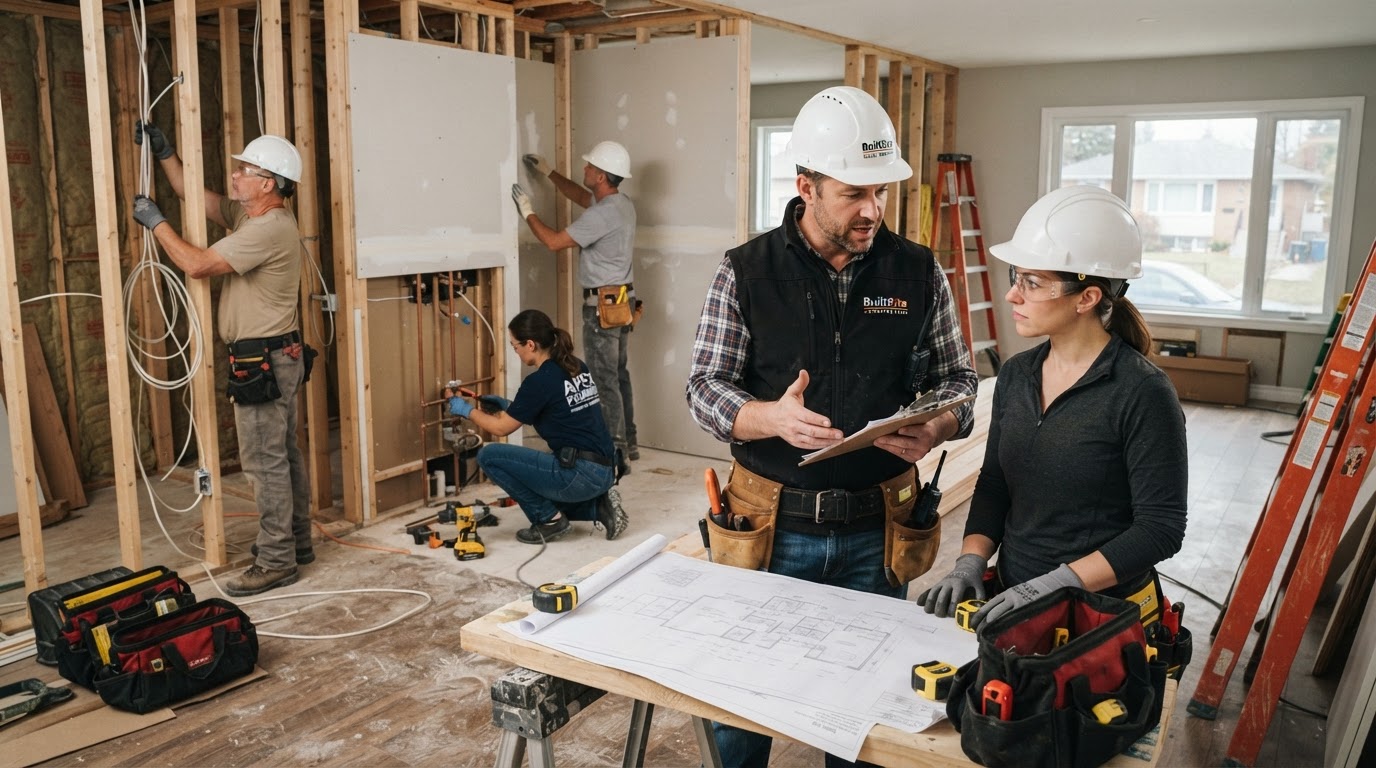
Imagine a kitchen renovation that involves demolition, plumbing, electrical work, cabinets, countertops, flooring, and painting. Each trade has its own schedule, materials, and requirements.
In this situation, managing subcontractors yourself means making sure every part of the project happens in the right order. A delay with one trade can potentially affect everyone who comes after them.
The Time Factor
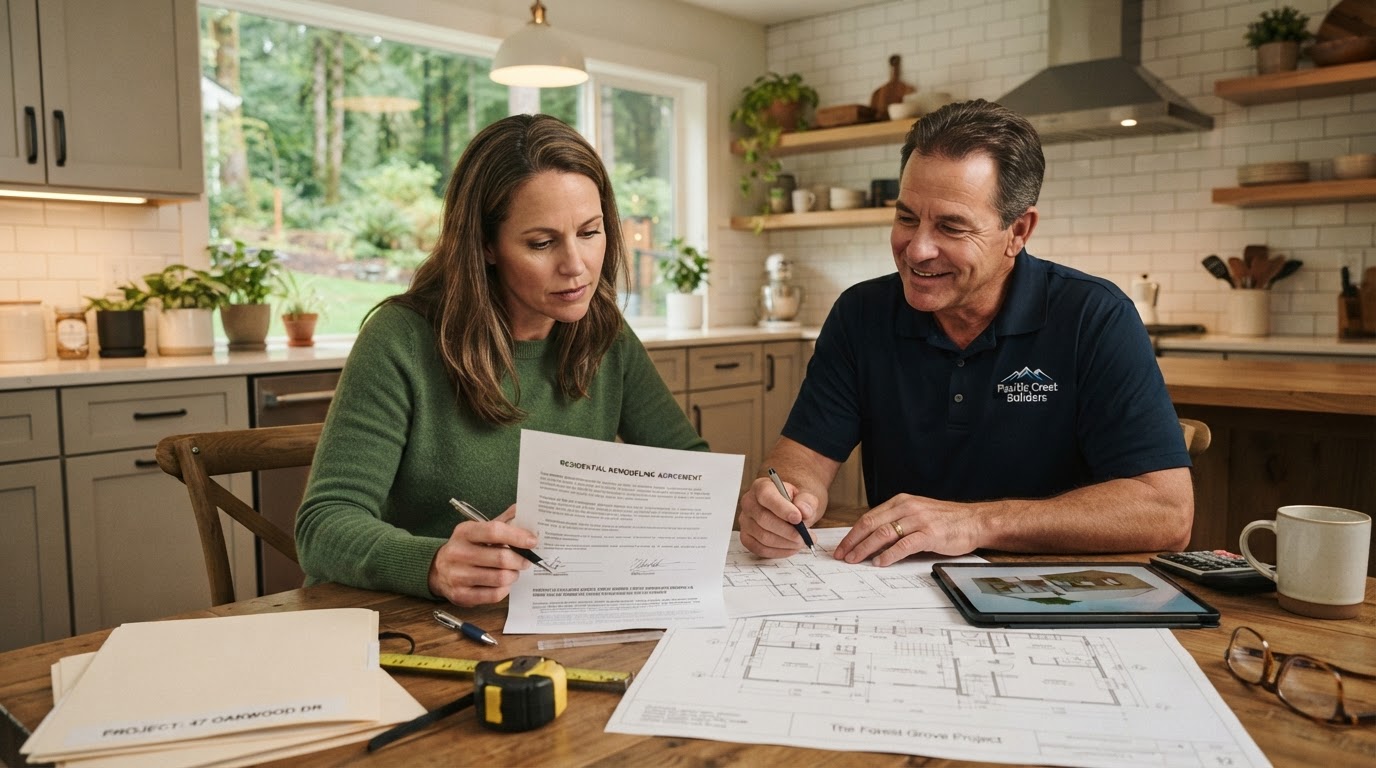
Managing a construction project can become a project of its own. You'll need to request estimates, coordinate schedules, confirm materials, communicate changes, and follow up when something doesn't go according to plan.
If you have the time and experience to handle those responsibilities, hiring subcontractors yourself may be an option. If not, centralized project management can reduce the amount of coordination you personally handle.
What Happens When Something Goes Wrong?
Construction rarely goes exactly according to the original plan. Materials can arrive late, unexpected conditions can appear, or one trade may need to adjust its work because of another part of the project.
With several contractors working independently, you may be the person responsible for figuring out what happens next. A general contractor can provide a central point for addressing these coordination issues.
Who Keeps Everyone on Schedule?
A construction project usually follows a sequence. Certain work needs to be completed before another trade can begin.
This is where one of the major benefits of hiring a general contractor can come into play. Instead of separately coordinating every trade, the general contractor can organize the construction schedule around the overall project.
Look Beyond the Initial Price
The cheapest proposal isn't necessarily the lowest-cost approach once your own time and management responsibilities are considered.
When comparing a general contractor vs subcontractor approach, consider the full picture:
- Number of trades involved
- Project length
- Scheduling responsibilities
- Material coordination
- Permits and inspections
- Communication
- Your available time
A lower upfront price may come with more responsibility for the homeowner.
So, Should You Hire a General Contractor?
Should I hire a general contractor? Start with three questions: How many trades will the project require? How complicated is the work? And how involved do you want to be?
A straightforward project involving one trade may not require a general contractor. Larger renovations, additions, and construction projects involving several trades can benefit from having one team coordinate the moving parts.
Make the Decision Based on Your Project
Knowing when to hire a general contractor isn't about choosing one approach for every situation. It's about matching the management approach to the work involved.
If you're planning a project in Seattle, Bellevue, Tacoma, or the surrounding Greater Seattle area, Alliance Pro Services can help you understand the scope, coordination, and construction requirements involved.
Ready to discuss your project? Submit your details through the Project Quote Request to start the conversation with Alliance Pro Services.