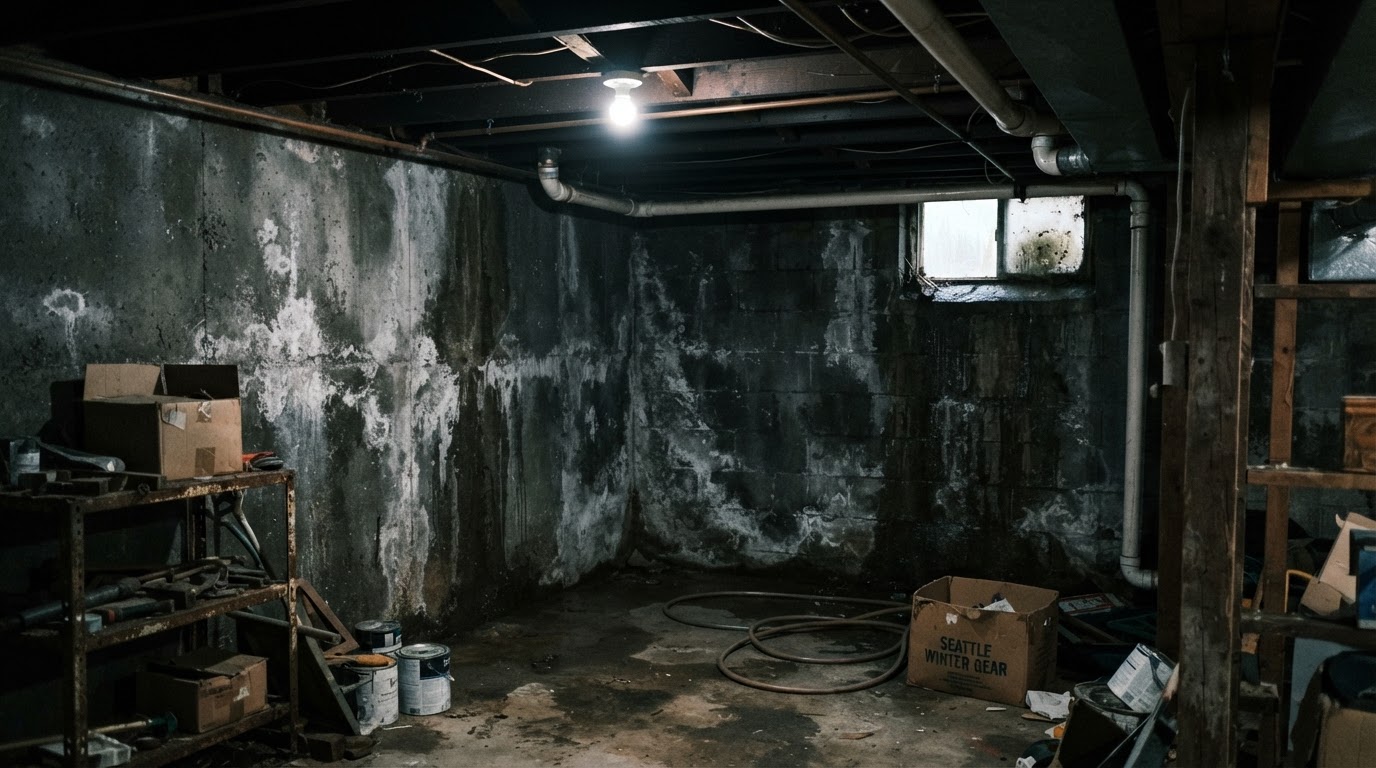
Before you frame a single wall in a Seattle basement, deal with the water. Our wet season runs from roughly October through April, and a basement that looks dry in August can show damp walls, efflorescence or puddles by January. Finish over a moisture problem and you'll trap it behind drywall, where it turns into mold and rot you can't see.
Get the moisture right first and a finished basement is one of the best ways to add usable space without an addition.
Signs your basement has a moisture problem
Walk the space after a few days of heavy rain. Look for:
White, chalky residue (efflorescence) on concrete walls
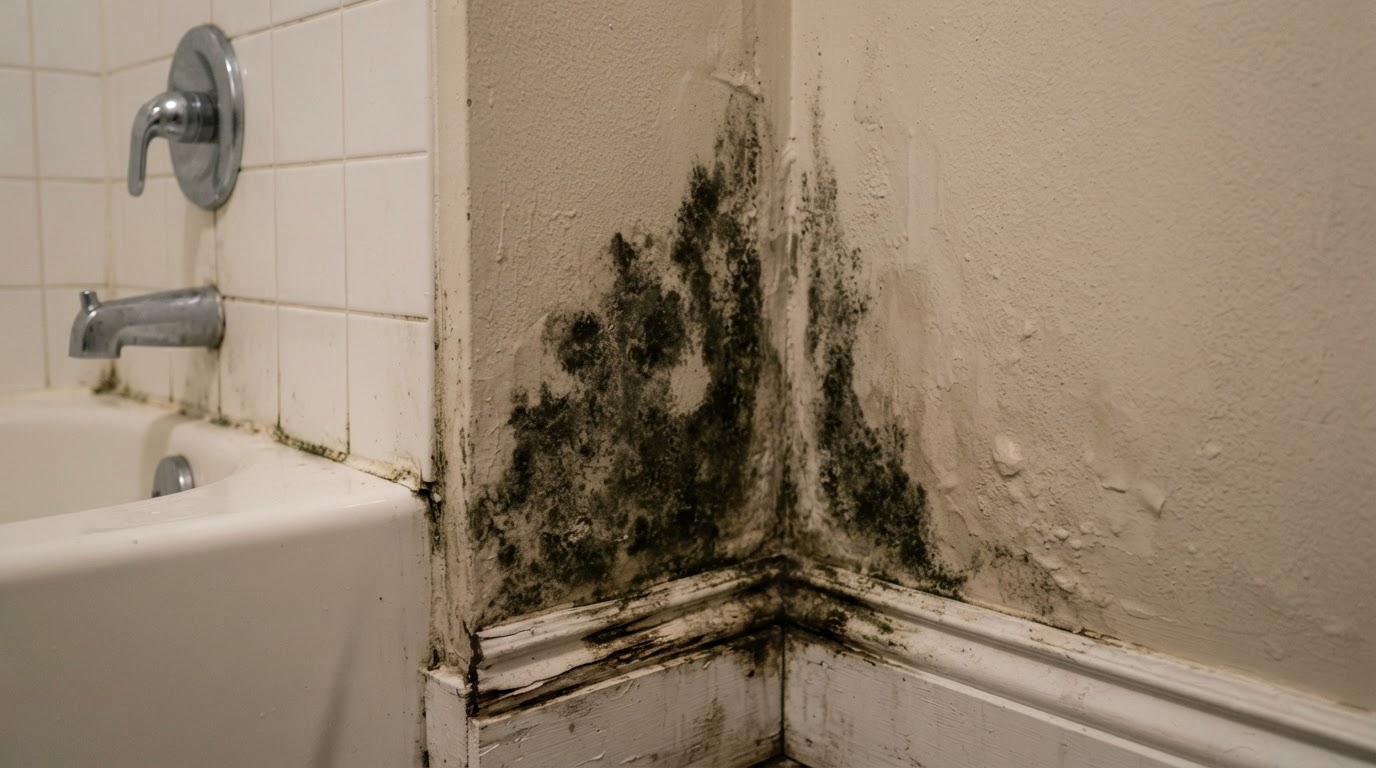
Dark staining or damp spots at the base of walls or around the slab edge
A musty smell that doesn't go away with airing out
Peeling paint or bubbling on foundation walls
Rust on metal items stored on the floor
Condensation on cold water pipes or windows
One quick test: tape a 2-foot square of plastic sheeting to the slab and leave it for 48 hours. Moisture under the plastic means water is coming up through the concrete. Moisture on top means condensation from humid indoor air. Different problems, different fixes.
Fix the source before you finish
Most basement moisture starts outside. Start there:
Gutters and downspouts. Clean them and extend downspouts several feet from the foundation. This one fix solves more Seattle basement problems than anything else.
Grading. Soil should slope away from the house. Flat or reverse-sloped beds funnel water straight to your foundation walls.
Cracks. Seal visible foundation cracks. Large or growing cracks need a structural look first.
Drainage. If water keeps coming in, interior or exterior drainage and a sump system may be needed.
Humidity. A dehumidifier set around 45 to 50 percent keeps condensation and that basement smell under control.
If you already see mold, don't just paint over it. Our mold and mildew services team can test, contain and remove it before construction starts. Leaky supply lines or a failing water heater nearby? Our plumbing crew can sort that out in the same visit.
Build with moisture in mind
Once the basement is dry, the materials you choose matter. A few rules we follow on every basement remodel:
Insulate the concrete with rigid foam instead of fiberglass batts pressed against the wall. Foam doesn't hold water and keeps the wall surface warm, which cuts condensation.
Use treated lumber for bottom plates that sit on concrete.
Pick flooring that tolerates moisture. Luxury vinyl plank and tile hold up. Solid hardwood and wall-to-wall carpet on a bare slab are a gamble.
Choose mold-resistant drywall for lower walls and anywhere near a bathroom or laundry. Our drywall services team uses it by default below grade.
Plan for airflow. Return air and supply registers keep the space from feeling stale. Talk to an HVAC pro about whether your current system can handle the extra square footage.
Permits and egress
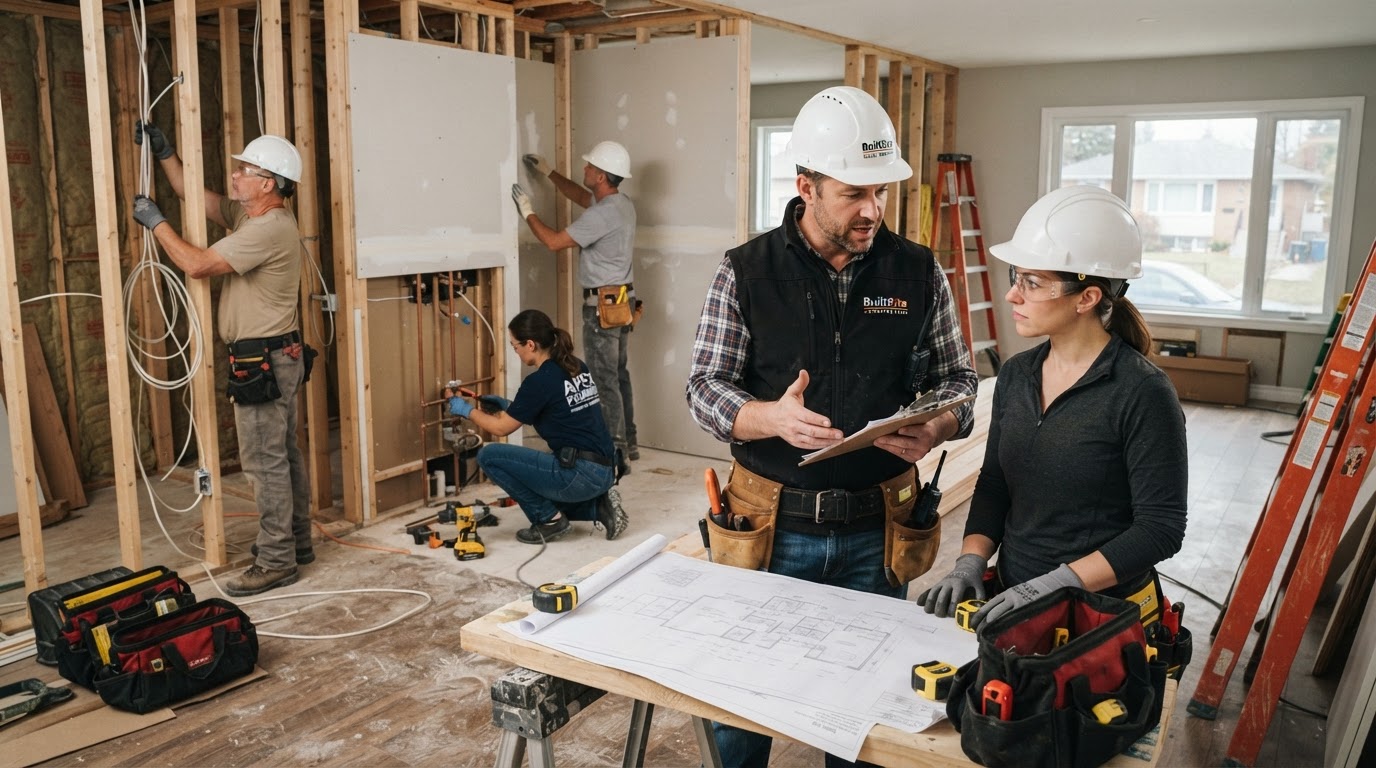
Finishing a basement in Seattle almost always needs permits, often more than one: building, electrical and plumbing if you're adding a bathroom or wet bar. Any bedroom needs an egress window big enough to climb out of, with a window well if it's below grade. Planning a rental unit or guest suite? Expect additional requirements for fire separation and separate exits.
Popular basement layouts
What should you put down there? The most requested projects we see in Edmonds, Lynnwood, Puyallup and Bremerton are:
A family room or home theater
A guest suite with a bedroom and full bathroom
A home office or gym
A rental apartment with its own entrance
A bathroom adds the most value, and it's also the trickiest part. Below-grade drains may need an ejector pump, so plan for that early.
Ready to finish your basement?
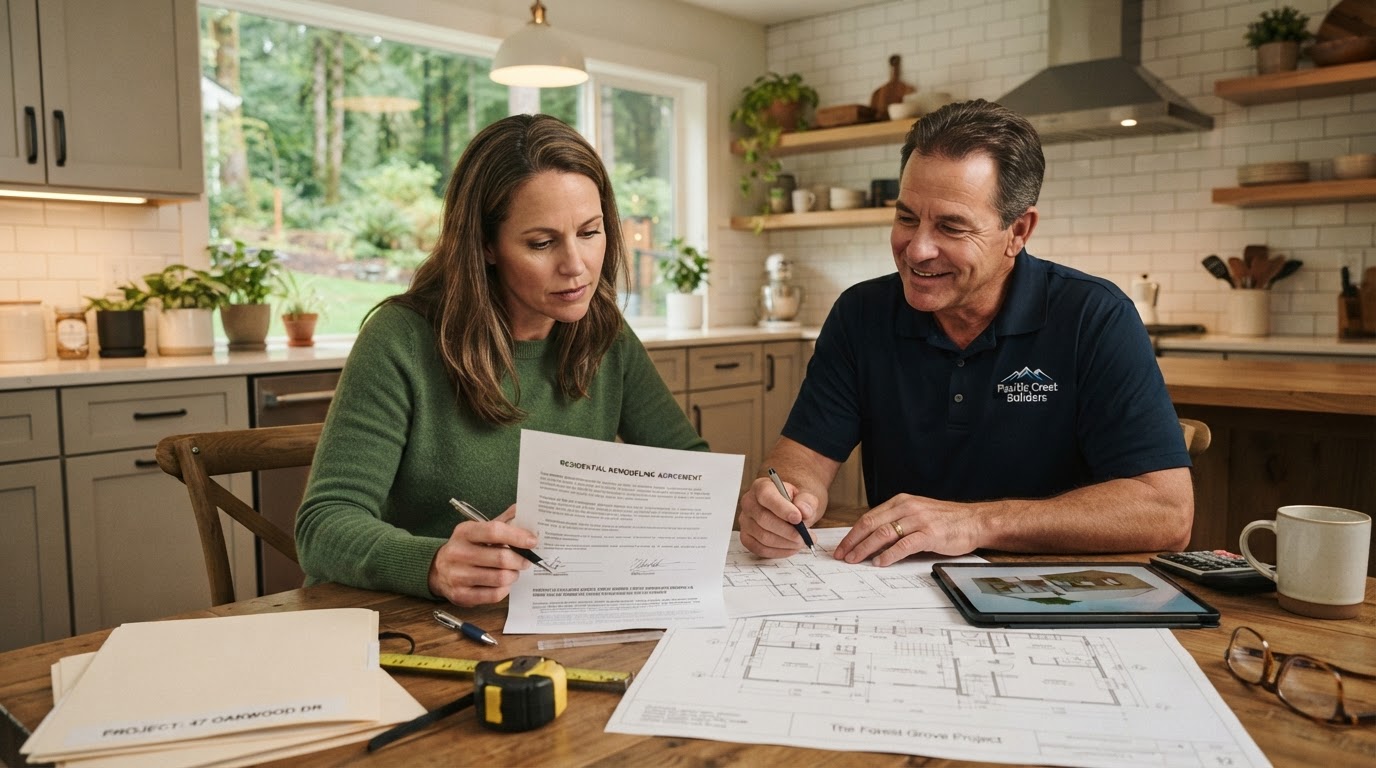
A dry basement is the foundation (literally) of a good finish. If you're not sure where to start, use our project estimator to get a rough range for a small, medium or large basement, then request a project quote for a site visit. Want to see what's possible? Browse finished spaces in our portfolio.
Frequently Asked Questions
Can I finish a basement that gets damp in winter?
Yes, but only after you fix the source of the moisture. Start with gutters, downspouts and grading, then address cracks, drainage and humidity before any framing or insulation goes in.
What is the best insulation for a basement in Seattle?
Rigid foam board against the concrete walls is the most reliable choice. It doesn't absorb water and keeps the wall surface warmer, which reduces condensation behind the finished wall.
Do I need a permit to finish my basement in Seattle?
Almost always. Most basement finishes need a building permit, and adding wiring or a bathroom adds electrical and plumbing permits. Bedrooms also need a code-compliant egress window.
What flooring works best in a basement?
Luxury vinyl plank and tile are the safest picks because they tolerate moisture. Avoid solid hardwood directly on the slab.